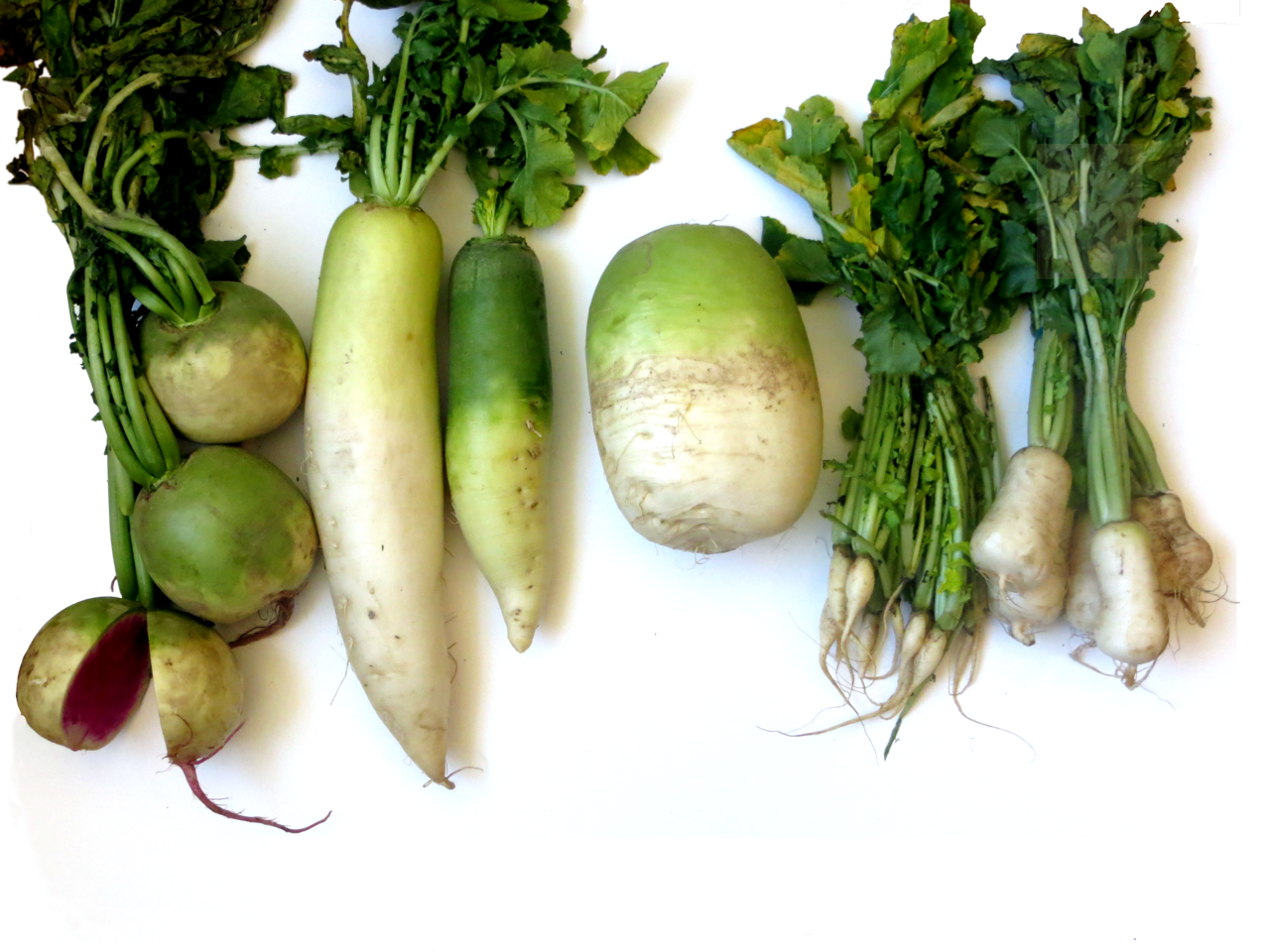
Daikon's Double Life: From Asian Cuisine to North American Fallow Crop
The Daikon vegetable, known scientifically as Raphanus sativus var. longipinnatus, is far more than just another radish. It's a botanical chameleon, revered in one hemisphere for its crisp, mild flavor and culinary versatility, while in another, it’s celebrated not for its taste but for its profound impact on soil health. This fascinating duality defines the Daikon's "double life"—a narrative spanning vibrant Asian kitchens to the quiet, regenerative fields of North America.
Originally hailing from Southeast or continental East Asia, the Daikon vegetable, often translated as "big root," boasts a distinctive long, white, napiform root and fast-growing leaves. While its Asian heritage firmly roots it in gastronomy, its relatively recent adoption in North American agriculture as a dedicated fallow crop highlights its extraordinary, yet often unseen, environmental benefits. This article delves into both facets of this remarkable root, exploring its cherished place on the dinner table and its indispensable role in sustainable farming.
The Culinary Star of Asian Kitchens: Daikon's Edible Appeal
Across East and South Asia, the Daikon vegetable is an everyday staple, woven into the fabric of traditional cooking. Its mild, slightly peppery flavor and crisp texture make it incredibly versatile, suitable for a myriad of preparations. Unlike its smaller, spicier European cousins, Daikon offers a more subdued taste profile, making it a perfect canvas for absorbing other flavors.
In Japan, Daikon is ubiquitous. It's famously grated into "Daikon oroshi," a fresh condiment served alongside tempura or grilled fish, prized for its ability to aid digestion. It's also a star ingredient in "oden," a comforting winter stew, where thick slices absorb the savory broth, becoming tender and translucent. Pickled Daikon, known as "takuan," offers a tangy, crunchy counterpoint to meals. Korean cuisine features Daikon extensively in various forms of kimchi, like "kakdugi" (cubed radish kimchi), and in refreshing soups. Chinese cooking utilizes it in stir-fries, savory "turnip cakes" (lo bak go), and hearty stews. In India, Daikon (or mooli) finds its way into curries, sambar, and refreshing salads.
Beyond its culinary flexibility, the Daikon vegetable is a nutritional powerhouse. It's an excellent source of Vitamin C, essential for immune health, and packed with dietary fiber, which aids digestion and promotes gut health. Furthermore, Daikon contains beneficial enzymes like amylase and esterase, which assist in the breakdown of starches and fats, making it a traditional digestive aid in many cultures. Its low-calorie and high-water content also make it a healthy addition to any diet. Its fresh, clean taste can even cleanse the palate, making it a favored accompaniment in many elaborate meals.
Daikon's Unsung Hero Role: The North American Fallow Crop
While chefs around the world celebrate Daikon's flavor, North American farmers have discovered a different, equally vital purpose for this remarkable root: as a powerful fallow crop, also known as a cover crop. In this role, the Daikon vegetable is typically not harvested for consumption but left in the field to work its magic below ground, offering a suite of benefits that rejuvenate and protect the soil.
The core of Daikon's efficacy as a cover crop lies in its distinctive physical characteristics: its deep, robust taproot. This "long white napiform root," which can extend several feet into the soil, acts as a natural tilling agent. It penetrates compacted soil layers, effectively breaking them up and creating channels. These channels significantly improve soil structure, allowing for better air and water infiltration, which are crucial for healthy root development of subsequent cash crops. This deep penetration also helps prevent common issues like ponding and surface runoff, promoting healthier soil ecosystems.
Beyond aeration and drainage, Daikon excels in nutrient cycling. Its extensive root system acts like a "nutrient scavenger," reaching deep into the soil profile to capture residual nitrogen and other nutrients that might otherwise leach away beyond the reach of shallower-rooted cash crops. When the Daikon plant naturally winter-kills and decomposes, these stored nutrients are released back into the topsoil, becoming readily available for the next planting cycle. This reduces the need for synthetic fertilizers, leading to more sustainable and cost-effective farming practices.
Furthermore, the fast-growing, broad leaves of the Daikon vegetable provide excellent weed suppression. By quickly covering the soil surface, they outcompete weeds for sunlight and resources, naturally reducing weed pressure without herbicides. This dense canopy also serves as effective erosion control, protecting the soil from the damaging effects of wind and rain. As the large roots decompose, they contribute a substantial amount of organic matter to the soil, further enhancing its fertility, water-holding capacity, and overall microbial life, creating a more resilient and productive agricultural environment. In some cases, the robust leaves are also harvested and used as nutritious animal fodder, adding another layer of utility to this versatile plant.
Cultivating Daikon: Tips for Gardeners and Farmers
Whether you're growing the Daikon vegetable for culinary delight or for its soil-enriching properties, understanding its cultivation requirements is key to success.
For the Home Gardener (Culinary Focus):
- Soil Preparation: Daikon thrives in loose, well-drained soil. If your soil is heavy clay, amend it with compost or sand to prevent stunted, forked roots. Aim for a pH between 6.0 and 7.0.
- Planting: Direct sow seeds 1/2 inch deep and about 4-6 inches apart in rows 18-24 inches apart. Thin seedlings to 8-10 inches apart to allow roots to develop fully. Plant in late summer or early fall for a winter harvest, or in early spring for a summer harvest (though spring plantings can be more prone to bolting in hot weather).
- Watering: Keep the soil consistently moist, especially during dry spells. Inconsistent watering can lead to tough, woody roots or cracking.
- Harvesting: Most Daikon varieties are ready for harvest in 60-70 days. Gently loosen the soil around the root and pull it out when it reaches the desired size, typically 10-14 inches long and 2-3 inches in diameter. The greens can also be harvested for salads or cooking.
- Pest Control: Watch out for common radish pests like flea beetles and root maggots. Row covers can provide protection for young plants.
For the Farmer (Fallow Crop Focus):
- Timing is Crucial: Plant Daikon as a cover crop in late summer or early fall, typically after a cash crop harvest. This allows sufficient time for the roots to penetrate deep into the soil before winter.
- Seed Rate: A typical seeding rate for Daikon as a cover crop is 8-12 lbs per acre, though this can vary based on soil type and specific goals. It can be planted as a monoculture or in mixes with other cover crops like crimson clover or oats for synergistic benefits.
- Integration into Rotation: Daikon is an excellent choice to precede spring-planted cash crops like corn, soybeans, or wheat. Its decomposed roots leave behind perfect channels for the subsequent crop's roots to follow, improving emergence and early growth.
- Termination: In colder climates, Daikon typically "winter-kills" with hard freezes, meaning it naturally dies back, and its roots decompose in situ. In milder climates, it may need to be terminated mechanically (e.g., roller-crimping or light tillage) in the spring before planting the next cash crop. Avoid deep tillage, as this can negate the soil-loosening benefits.
- Monitoring Benefits: Farmers often observe significant improvements in soil tilth, reduced compaction, and better water infiltration in fields where Daikon has been used as a cover crop. Over time, this contributes to increased soil organic matter and overall soil health.
Beyond the Root: Exploring Daikon's Versatility
While the long, white root is the most recognized form of the Daikon vegetable, its versatility extends further. There are numerous varieties, including round, globe-shaped types (often called "turnip radish"), purple-skinned Daikon, and varieties with green shoulders, each offering slightly different textures and flavor profiles. Some specialized cultivars are even grown for their leaves, which are rich in nutrients and can be used in stir-fries, soups, or as a fresh green.
The seeds of Daikon also have potential. Daikon sprouts are a popular addition to salads and sandwiches, offering a peppery kick and concentrated nutrients. Furthermore, research is exploring the use of Daikon seeds for oil extraction, which could find applications in biofuels or industrial lubricants, showcasing yet another layer of this remarkable plant's potential.
Conclusion
The Daikon vegetable truly leads a double life, carving out essential niches in both global cuisine and sustainable agriculture. From its prized status as a culinary staple in Asian kitchens, offering a refreshing and nutritious addition to countless dishes, to its indispensable role as a regenerative cover crop in North American fields, fighting soil compaction and enriching the earth, Daikon's versatility is undeniable. Its journey from a beloved ingredient to an unsung hero of soil health underscores its remarkable adaptability and the enduring value it brings to humanity, whether on the plate or beneath the soil. As awareness of its dual benefits continues to grow, the Daikon is poised to become an even more recognized and celebrated plant in cultures and ecosystems worldwide.