Discover Daikon: The Mild Winter Radish with East Asian Roots
Often recognized by its impressive size and pristine white appearance, the daikon vegetable is a culinary cornerstone in East Asian cuisine and an increasingly popular ingredient around the globe. More than just a simple radish, Daikon, meaning "big root" in Japanese, offers a unique culinary profile that sets it apart from its smaller, more pungent cousins. This versatile winter root boasts a mild, slightly sweet flavor with a crisp texture, making it an incredibly adaptable ingredient in a myriad of dishes, from refreshing salads to hearty stews.
Originally hailing from Southeast or continental East Asia, Daikon (Raphanus sativus) has cultivated a rich history, deeply intertwined with the culinary traditions of several cultures. Its distinctive long, white, napiform root and fast-growing leafy greens are not only aesthetically pleasing but also packed with a range of nutritional benefits. Whether you're a seasoned chef or a home cook looking to expand your culinary horizons, understanding the multifaceted nature of this remarkable root is the first step towards unlocking its full potential.
What Exactly is Daikon? Unveiling the "Big Root"
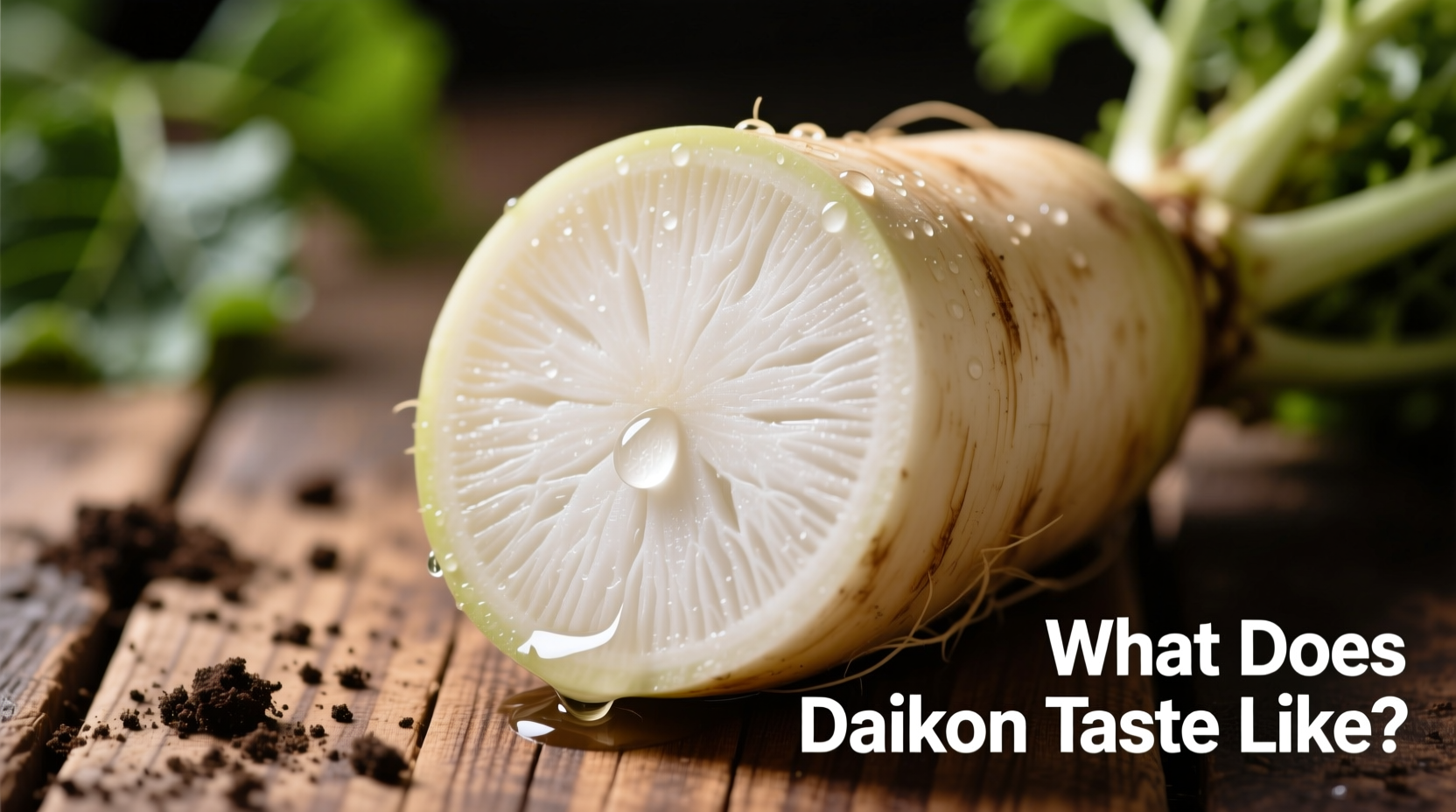
At its core, the daikon vegetable is a type of radish, but one that defies the typical expectations associated with the genus. While most people envision small, round, fiery red radishes, Daikon presents a striking contrast. It typically grows into a substantial, elongated white root, resembling a large carrot or parsnip, though varieties can also be round or even green-tipped. Its mild flavor is far less peppery than common radishes, offering a crisp, juicy, and subtly sweet taste that becomes even milder when cooked.
Scientifically classified as Raphanus sativus, Daikon shares its species with other radishes but has developed distinct characteristics over centuries of cultivation. Its fast-growing leaves, often discarded in Western markets but highly prized in Asian cooking, are another notable feature, edible and nutrient-rich. This "big root" is a winter radish, thriving in cooler temperatures, which allows it to develop its characteristic mildness and crisp texture. Its adaptability and diverse applications are what truly make it a standout ingredient in the vegetable kingdom.
A Culinary Journey: Daikon's Place in Global Kitchens
The daikon vegetable plays an indispensable role in the culinary landscapes of East and South Asia, where its versatility is celebrated in countless traditional dishes. From crunchy raw preparations to tender cooked applications, Daikon transforms to suit any recipe.
- Raw Preparations: In Japan, thinly sliced or grated Daikon often accompanies rich or oily dishes like tempura, sushi, or grilled fish, providing a refreshing counterpoint and aiding digestion. Its subtle crunch adds texture to salads and slaws, absorbing dressings beautifully without overpowering other flavors. Korean cuisine features Daikon in various kimchi varieties, adding a crisp, slightly sweet and tangy element.
- Pickled Delights: Perhaps one of the most famous uses is in pickling. Takuan in Japan is a popular pickled Daikon, known for its vibrant yellow color and tangy, sweet, and crunchy texture, often served alongside meals. In Korea, Kkakdugi (cubed radish kimchi) is another staple, showcasing Daikon's ability to hold up to strong flavors and fermentation.
- Cooked Applications: Daikon shines in soups, stews, and braises, where it softens beautifully, absorbing the flavors of the broth while retaining a pleasant texture. It's a key ingredient in Japanese Oden (a hot pot dish), Chinese turnip cake (lo bak go), and various curries in South Asia. Stir-fried with other vegetables or meats, it adds a unique depth and moisture.
Beyond its traditional strongholds, Daikon is increasingly finding its way into Western kitchens. Chefs are experimenting with roasting Daikon for a tender, slightly caramelized side dish, adding it to vegetable purees, or even juicing it for a nutrient-packed drink. Its mildness makes it a fantastic canvas for experimentation, allowing it to blend seamlessly into a wide array of culinary creations.
Practical Tips for Selecting and Storing Daikon
To enjoy the best of the daikon vegetable, selection and storage are key:
- Selection: Look for firm, smooth roots that feel heavy for their size. Avoid Daikon with soft spots, cracks, or discoloration. If the leaves are still attached, they should appear fresh and green, not wilted.
- Storage: Remove the leafy greens before storing, as they draw moisture from the root. Wrap the Daikon root in a damp paper towel and place it in a plastic bag in the refrigerator's crisper drawer, where it can last for several weeks. The leaves can be stored separately and used within a few days.
More Than Just a Root: Daikon's Nutritional Profile and Health Benefits
The humble daikon vegetable is a nutritional powerhouse, offering a wealth of vitamins, minerals, and beneficial enzymes. Low in calories and rich in fiber, it's an excellent addition to any health-conscious diet.
- Digestive Aid: Daikon is particularly renowned for its high content of digestive enzymes, including amylase, diastase, and esterase. These enzymes assist in the breakdown of carbohydrates, fats, and proteins, making it easier for the body to absorb nutrients and alleviate digestive discomfort. This is why it's often paired with rich, oily, or fried foods in Asian cuisines.
- Immune Support: Abundant in Vitamin C, Daikon helps bolster the immune system, protecting the body against infections and supporting overall health.
- Detoxification: It contains compounds like indoles and isothiocyanates, which have been studied for their potential to support liver detoxification pathways and offer antioxidant properties.
- Rich in Fiber: The high fiber content promotes digestive health, aids in maintaining healthy blood sugar levels, and contributes to a feeling of fullness, which can be beneficial for weight management.
- Hydration and Electrolytes: With a high water content and potassium, Daikon helps maintain proper hydration and electrolyte balance.
To maximize the nutritional benefits, consuming Daikon raw or lightly cooked is often recommended, as excessive heat can degrade some of its delicate enzymes and vitamins. Grating it fresh into salads or as a garnish allows you to fully harness its enzymatic power.
Daikon's Double Life: From Plate to Fallow Field
Beyond its celebrated role in kitchens worldwide, the daikon vegetable leads a fascinating second life as an agricultural workhorse, particularly in North America. This dual identity highlights the remarkable versatility of this plant, serving both as a cherished food source and a powerful tool for sustainable agriculture. For a deeper dive into this fascinating contrast, explore Daikon's Double Life: From Asian Cuisine to North American Fallow Crop.
While the long, white root is the star of countless Asian dishes, in North America, Daikon is increasingly grown as a "fallow crop" or "cover crop." In this context, the primary goal is not culinary harvest but rather to leverage the plant's robust root system and fast-growing foliage to improve soil health and farm sustainability. The deep, strong taproot of Daikon acts as a natural tilling agent, breaking through compacted soil layers (known as "hardpan") that conventional agricultural machinery often struggles with. This natural action creates channels in the soil, enhancing aeration, improving water infiltration and drainage, and allowing subsequent crops to develop stronger, healthier roots.
Furthermore, when Daikon is grown as a cover crop, the roots are typically left unharvested to decompose in the soil. This process adds valuable organic matter, enriching the soil structure and providing nutrients for future plantings. The lush, fast-growing leaves, if harvested in this context, are often used as animal fodder, but more commonly, they are left to decompose as well, contributing further to soil organic matter and nutrient cycling. This innovative use of the daikon vegetable underscores its ecological benefits, making it an invaluable asset for regenerative farming practices. To learn more about its specific agricultural contributions, read Understanding Daikon: Its Unique Root, Leaves, and Soil Benefits.
Growing Your Own Daikon: Tips for Home Gardeners
Cultivating your own daikon vegetable can be a rewarding experience for home gardeners. Daikon prefers cool weather, making it an excellent choice for fall or late summer planting in many regions, or early spring in areas with mild summers.
- Soil: Provide loose, well-draining soil rich in organic matter. Daikon needs plenty of space for its long taproot to develop without obstruction. Compacted or rocky soil can lead to stunted or misshapen roots.
- Sunlight: Plant in a spot that receives full sun, at least 6-8 hours daily.
- Planting: Sow seeds directly into the garden about ½ inch deep and 1 inch apart in rows, thinning to 4-6 inches apart once seedlings emerge. This spacing ensures roots have ample room to grow.
- Watering: Keep the soil consistently moist, especially during dry spells, to encourage steady growth and prevent the roots from becoming tough or overly pungent.
- Harvesting: Daikon typically matures in 60-70 days, depending on the variety. Harvest when the exposed top of the root is about 1-2 inches in diameter, or as desired for culinary use. Gently loosen the soil around the root before pulling to avoid breakage.
Conclusion
From its ancient roots in East Asian culinary traditions to its modern-day role as a soil improver in North American agriculture, the daikon vegetable truly is a marvel of nature. Its mild flavor, crisp texture, and impressive nutritional profile make it a delight for the palate and a boon for health. Whether you're grating it into a vibrant salad, simmering it in a comforting stew, or simply appreciating its ecological benefits in a farm field, Daikon offers a unique blend of versatility and value.
We encourage you to explore the myriad ways this "big root" can enrich your diet and your understanding of sustainable living. Embrace the daikon vegetable – a testament to how a single plant can offer so much, both on the plate and in the earth.